

By Dominic Sakwa, Telecommunications Engineer
At a recent industry event, one theme kept surfacing in conversations among Internet Service Providers: Pricing.
As more providers enter the market with aggressive low-cost models, established operators are feeling growing pressure to respond. That pressure is understandable, but it also creates a strategic trap. The moment price stops being one lever among many and becomes the primary basis of competition, the market begins to flatten. Service quality becomes harder to communicate, network performance becomes harder to monetize and long-term investment becomes harder to defend.
The Risk of Letting Price Lead
Lower prices will always attract attention. The problem begins when customers are trained to evaluate providers mainly on monthly cost and advertised speed. At that point, the full service experience is reduced to a comparison of numbers on paper.
When that happens, providers with stronger engineering, better support and more resilient networks are presented as though they are fundamentally the same as providers whose main differentiator is simply being cheaper. That may create short-term customer acquisition, but it does very little to build durable advantage. Over time, the service begins to look interchangeable and the market starts treating internet access as a commodity rather than a performance-critical service.
Once that mindset takes hold, loyalty weakens. Customers move to the cheaper offer, then move again when the next cheaper offer appears. The relationship becomes transactional, with very little anchoring retention beyond short-term savings.
The Cost of Price-Driven Competition
The real cost of price-led competition does not end with lower tariffs. It appears later in the operating strength of the provider itself.
As margins tighten, capital decisions become more cautious. Network upgrades are deferred, support teams come under strain and service issues become harder to resolve quickly and harder to prevent. In effect, the very capabilities that sustain customer trust begin to weaken under constant downward pricing pressure.
What starts as a tactic to gain share can become a cycle that degrades service quality across the market. Customers eventually feel that decline through less consistent performance, slower support and a widening gap between what was promised and what is actually delivered. At that stage, the market has not become more competitive in any meaningful sense. It has simply become less valuable.
Where Real Differentiation Still Exists
There is still meaningful room for differentiation in the ISP market, but it is rarely found in headline pricing. It is found in the lived quality of the service and in the consistency with which that quality is delivered over time.
A connection that remains stable under peak demand, supports real-time applications effectively and performs consistently across everyday use creates a materially different customer experience from one that only appears attractive in a package comparison. Customers may not always describe that difference in technical language, but they recognise it immediately through clearer calls, smoother streaming, lower latency and business systems that remain responsive.
Those outcomes build trust and trust has far greater long-term commercial value than a temporary pricing advantage.
Reliability should not be treated as a backend engineering concern. It is a market position. An ISP known for consistent performance, predictable service delivery and responsive support occupies a stronger place in the customer’s mind than one known mainly for being cheaper. For residential users, that reduces daily frustration. For business customers, it protects continuity, productivity and confidence. In both cases, reliable service strengthens retention and reduces the likelihood that customers will leave over a marginal price difference.

Building More Value Around the Network
Another way to move beyond price compression is to expand the role the ISP plays in the customer environment. Connectivity may be the foundation, but it should not be the entire proposition.
Managed Wi-Fi, network security, continuity support, smart integrations and higher-touch service tiers all deepen the customer relationship, making the ISP more valuable to the customer’s day-to-day operation. They shift the conversation away from pure bandwidth pricing and toward service value that is harder to compare superficially and harder to replace casually.
That is how ISPs create stickier accounts, more resilient revenue, and stronger protection against purely price-driven churn.
Build the Kind of Network Customers Stay For
Price will always matter, but it cannot carry the full burden of strategy. The providers that strengthen their position over time will be the ones that continue investing in performance, resilience, and customer experience even when the market becomes noisy. They understand that competitive advantage does not come from having the lowest number on a flyer, but from delivering a service that customers trust and would hesitate to replace.
Prices can be matched quickly. A well-performing network cannot. A reputation for reliability cannot. A customer base built on consistent experience cannot. That is where defensible advantage is created.
At Optace Networks, we work with ISPs to strengthen the parts of the network that shape long-term commercial performance, not just short-term marketability. That means designing for resilience, optimising for real-world usage, improving service consistency under load, and building infrastructure that supports retention, protects service quality, and scales with confidence.
If you are looking to compete on more than price, let’s talk about how to strengthen network performance, improve service quality, and create a customer experience that is harder to replace.
Latest Articles
Wed Oct 14 2026
Netgate 8300 for High-Capacity Firewall and VPN DeploymentsFri Sep 18 2026
How to Size a Netgate Firewall for Your Business NetworkWed Sep 09 2026
Planning Internet Failover with Netgate and pfSense PlusFri Aug 28 2026
Fuzion FTP-300 for Outdoor IoT and Surveillance NetworksRelated Articles
.jpg)
ePMP 3000 - 5X Performance with Gen3 Technology
-(1).png)
Africa Tech Festival Displays Strides in Connectivity and Telecommunications Infrastructure across Africa
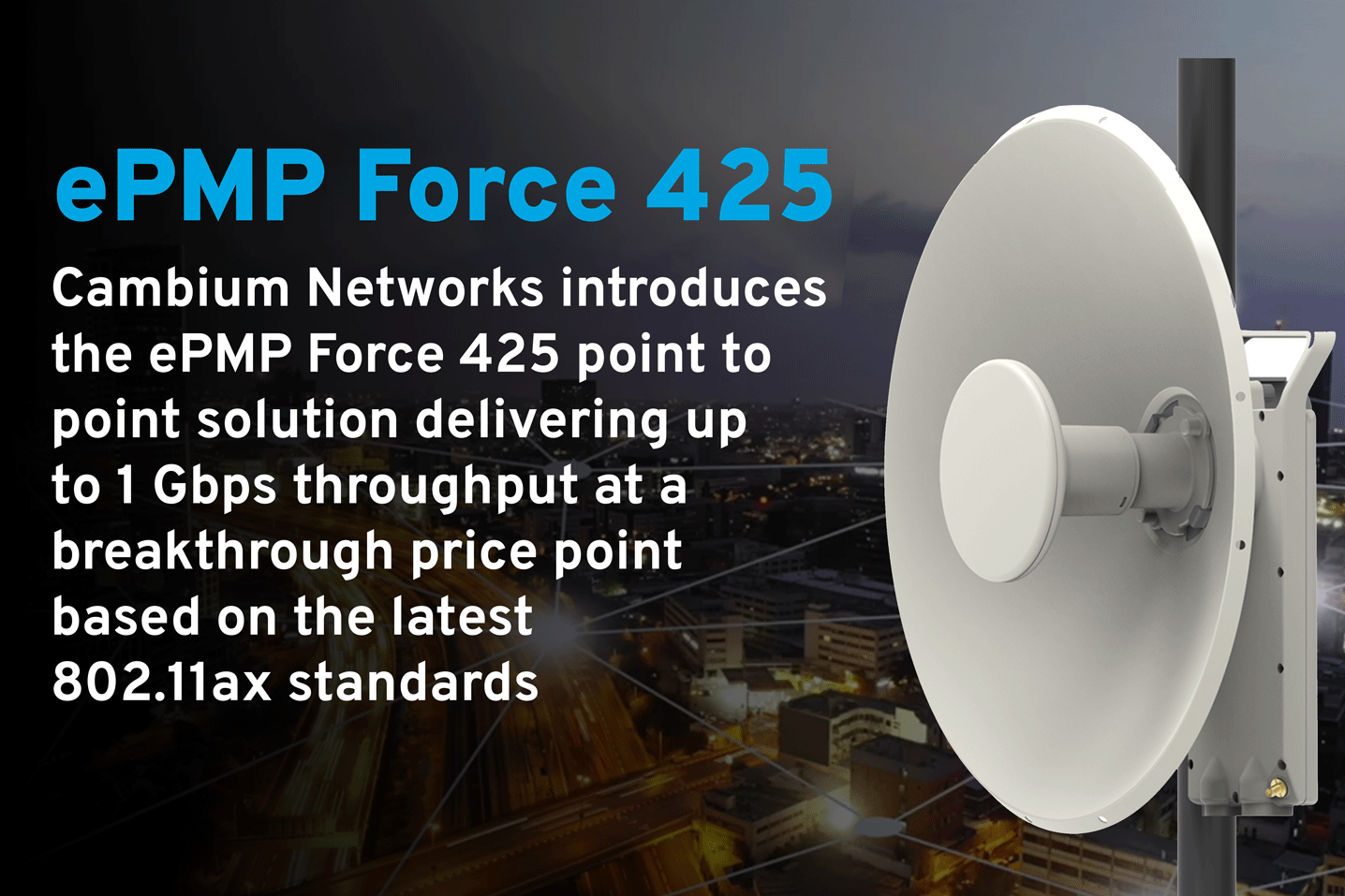
Cambium Networks ePMP Force 425 - The Industry’s First Point-to-Point Solution Based on 802.11ax
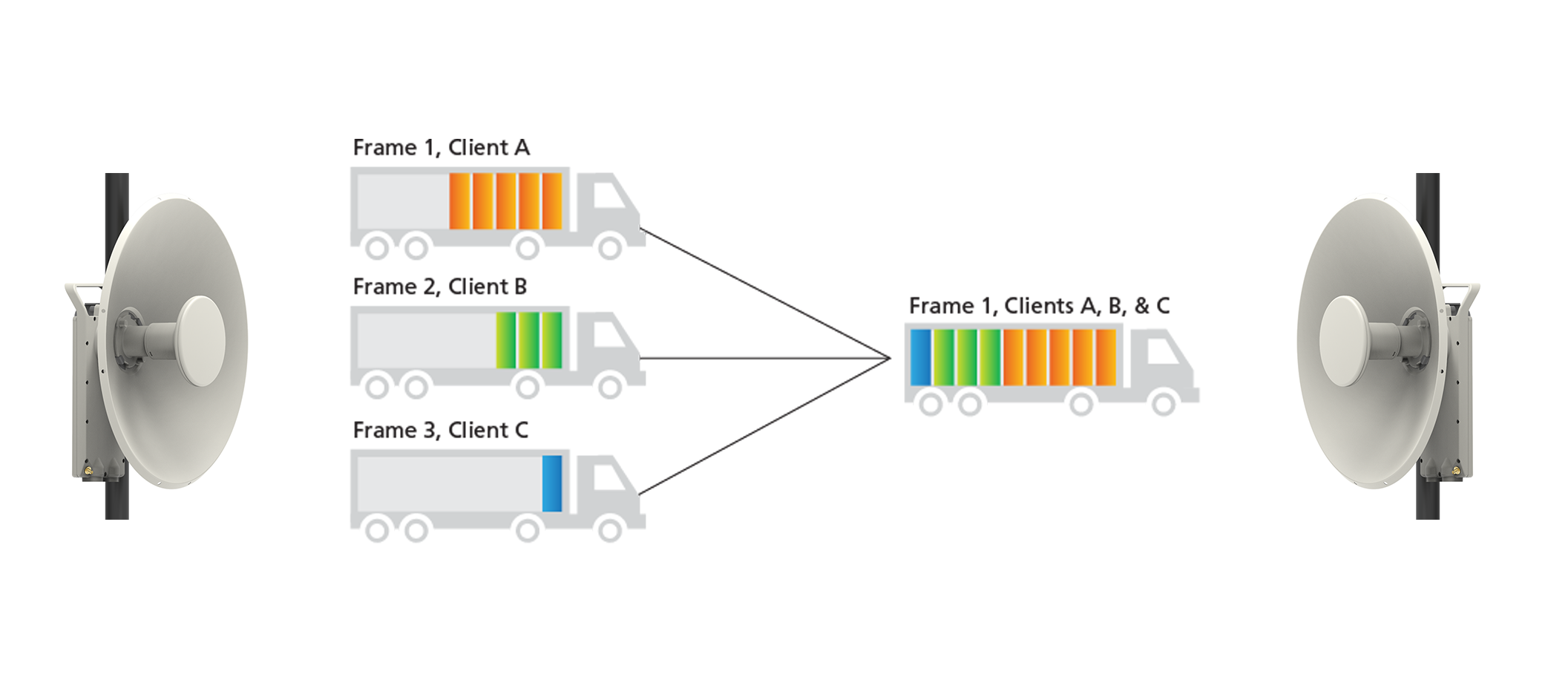
The Power of OFDMA in Wireless Broadband
In this article, we delve into the principles of OFDMA, the defining principle of the 802.11ax standard, its applications, and its impact on wireless broadband.



© 2026 PoweredbyOptace Networks Limited. All Rights Reserved.