

By Dominic Sakwa, Telecommunications Engineer
It usually starts with something small.
A teacher pauses mid-lesson because a page won’t load. A student raises a hand to say the Wi-Fi has dropped again. An online exam is delayed while someone runs down the corridor to reboot equipment hidden away in a cabinet. No one panics at first. These things happen. Until they start happening often enough that interruptions feel normal. These interruptions are increasingly common in environments where education network infrastructure is not built for modern digital learning environments.
Budgets are Real. So are Expectations.
Education institutions don’t choose unreliability. They operate within very real financial limits, layered approvals and procurement processes that move slowly by design. Every investment must be justified, reviewed and signed off, sometimes more than once.
At the same time, digital transformation in education is no longer optional. Online learning platforms, connected classrooms and campus-wide internet access are now part of everyday education. The pressure to deliver all of this without increasing costs creates a difficult balancing act, one where the least expensive option often feels like the safest choice when planning education IT infrastructure.
Where Cost-First Decisions Quietly Break Down
On paper, most campus networks look solid. Classrooms are covered, administrative offices are connected and core systems appear stable. From a planning perspective, the boxes are ticked.
But campuses don’t live on floor plans. Students move between buildings, classes spill into courtyards, assemblies take place outdoors and safety depends on visibility across walkways, parking areas and gates. These spaces are rarely designed with connectivity in mind.
Over time, temporary solutions become permanent ones. Coverage relies on signals reaching “far enough.” Power is borrowed from nearby buildings. Expansion happens faster than infrastructure planning. The network still exists, but it becomes fragile, stretched thin in ways that aren’t immediately obvious.
Reliability Isn’t about “Premium Gear”
When reliability becomes a concern, the conversation often turns toward high-tech expensive equipment, framing reliability as something you buy.
In practice, many failures have little to do with the technology itself. They come from more basic questions that were never fully answered: where equipment is placed, how it’s powered and whether the network was designed to adapt as the campus evolved. Even the best networking equipment struggles when power is inconsistent or the infrastructure can’t support real-world use in enterprise-grade education networks.
The Hidden Costs No One Budgets For
The true cost of an unreliable network rarely appears in financial reports. It shows up in lost teaching time, in staff frustration and in IT teams spending their days putting out fires instead of improving systems.
It appears when students cluster near buildings just to get a signal, when security cameras don’t cover critical areas and when temporary fixes require constant attention. These costs accumulate quietly, day after day, until the original savings no longer feel like savings at all.

Campuses Grow. Networks Rarely Keep Up.
Most educational campuses are built over decades, not in a single phase. New buildings are added, temporary structures become permanent and outdoor spaces take on new roles. The network, however, often remains tied to an earlier version of the campus.
Extending connectivity usually involves civil work, power extensions and long approval cycles. Faced with these hurdles, institutions adapt rather than redesign. Small compromises are made and then accepted until the network no longer reflects how the campus actually functions.
Rethinking Reliability From the Ground Up
Reliable networking in education doesn’t require constant upgrades or excessive spending. It requires planning that reflects how campuses are used, not just how they were originally designed.
When infrastructure is flexible, especially when power is resilient and thoughtfully distributed, networks become easier to extend and simpler to maintain. Reliability stops being a premium feature and becomes part of the foundation, reducing long-term costs through smart network planning for schools and scalable campus connectivity solutions.
The Real Question to Ask
The real question for educational institutions isn’t whether to prioritise cost or reliability. It’s what each decision will cost over time.
Because in education, the cheapest network is often the one that demands the most workarounds, the most explanations and the most patience. And those costs are paid every single day.
Plan your School Network with Optace Networks
The most reliable educational networks are not built for today alone; they are designed to support institutional growth over time.
At Optace Networks, we work alongside educational institutions to develop secure campus network connectivity solutions that remain dependable as campuses expand, student populations grow and digital learning needs evolve. Our process begins with understanding your institution’s growth plans and identifying the parts of the network that must remain stable, resilient and future-ready.
From there, we design infrastructure that adapts without constant reinvestment, helping schools maintain reliability while managing long-term costs.
Because when a network is built with the future in mind, it continues to support learning long after the initial installation. Let us design together a network your institution can rely on for years to come.
Scalable solutions for future proof network systems.

Latest Articles
Thu Jul 23 2026
MikroTik CRS354-48P-4S+2Q+RM for Hotels and Campuses: Reliable Connectivity Without Overbuilding.Tue Jun 23 2026
MikroTik for CCTV Networks: Reliable PoE Switching for Cameras, Control Rooms and Security Projects.Mon Jun 15 2026
Cambium cnPilot e510: Outdoor Wi-Fi Value Beyond Unit PriceRelated Articles
.jpg)
ePMP 3000 - 5X Performance with Gen3 Technology
-(1).png)
Africa Tech Festival Displays Strides in Connectivity and Telecommunications Infrastructure across Africa

Cambium Networks ePMP Force 425 - The Industry’s First Point-to-Point Solution Based on 802.11ax
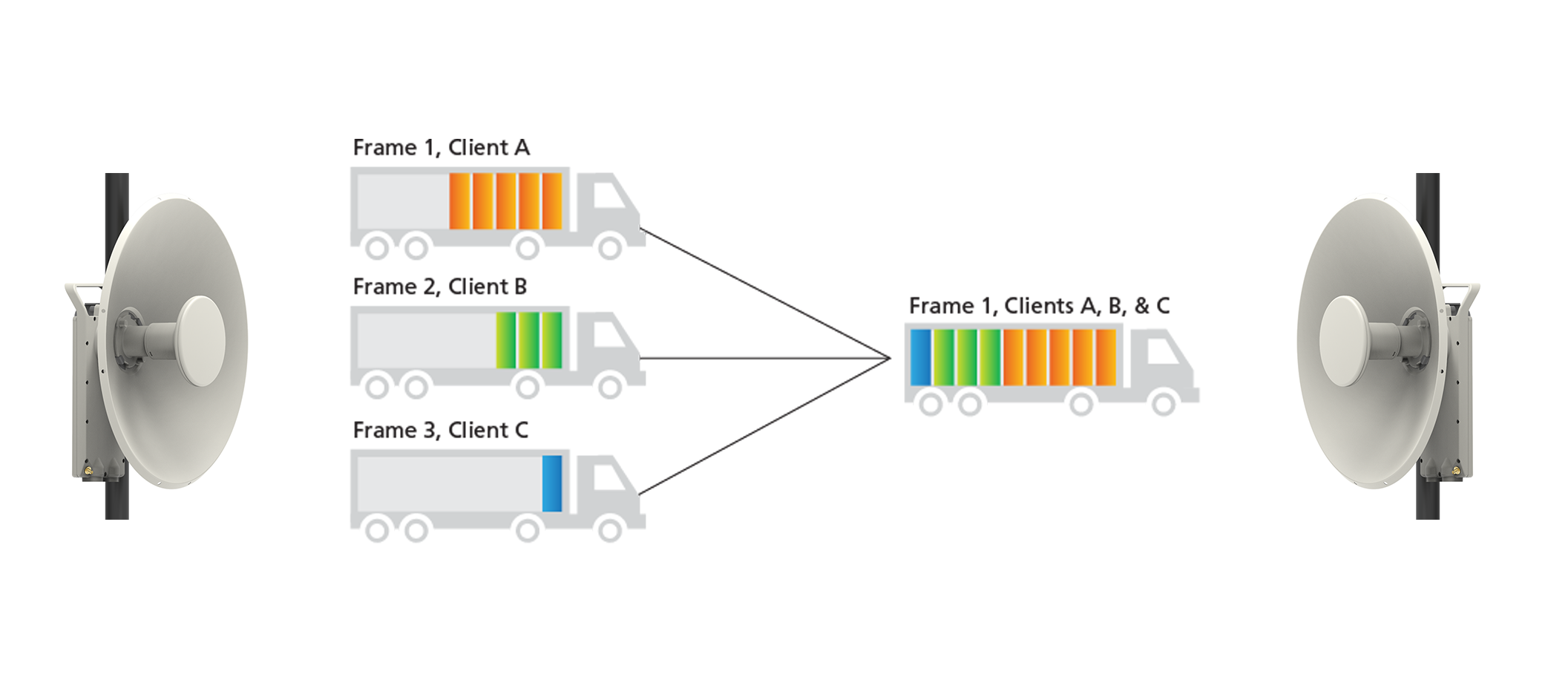
The Power of OFDMA in Wireless Broadband
In this article, we delve into the principles of OFDMA, the defining principle of the 802.11ax standard, its applications, and its impact on wireless broadband.



© 2026 PoweredbyOptace Networks Limited. All Rights Reserved.